
What to Expect from a Quality Oil Change Near Me in 2025
Choosing between professional services and at-home care for your car’s needs can feel overwhelming. This guide breaks down the pros and cons of each approach, helping you decide what works best for your schedule, budget, and skill level.
Local automotive centers offer quick drive-through services or full inspections, while DIY projects give you control over parts and costs. We’ll compare time commitments, safety factors, and long-term impacts on your car’s performance.
Understanding different motor oil types matters, too. Synthetic blends might save money over time, while conventional options suit older models. You’ll learn how to evaluate providers near you and spot quality standards that protect your engine.
Key Takeaways
- Compare drive-through convenience with DIY cost savings
- Learn how oil types affect vehicle longevity
- Identify trusted local service providers
- Assess safety risks for home projects
- Calculate time investments for both options
- Understand warranty implications
Understanding Your Oil Change Options
Whether you prioritize speed or customization, engine maintenance offers distinct approaches. Professional centers deliver specialized expertise, while DIY projects cater to hands-on owners. Both paths require careful planning to protect your vehicle’s performance.
Local Service Centers and Their Offerings
Providers like Express Oil Change & Tire Engineers streamline car care with 10-minute drive-through services. Their technicians handle oil filter replacements, tire rotations, and brake inspections in one visit. Many centers also diagnose steering issues or A/C problems during appointments.
| Service Feature | Professional Center | Home DIY |
|---|---|---|
| Speed | 10-minute express options | 1-2 hours average |
| Cost | $50-$100 (includes labor) | $30-$60 (materials only) |
| Expertise | Certified technicians | Personal skill level |
The DIY At Home Process
Home projects demand proper tools and workspace. You’ll need vehicle-specific filters, fresh fluids, and ramps or jacks. Always check your owner’s manual for torque specs and disposal guidelines. Environmental regulations require the safe recycling of used materials at approved facilities.
How to Find the Best Oil Change Near Me Services
Identifying top-tier automotive care starts with smart research strategies. Start by exploring verified customer feedback on platforms like Google Business and Yelp. Genuine reviews highlight consistent quality, technician professionalism, and fair pricing structures.
Exploring Nearby Locations and Reviews
Modern mapping tools simplify finding reliable providers. Use filters to sort businesses by proximity to your daily routes or workplace. Prioritize centers with 4+ star ratings and detailed responses to customer concerns.
Compare service menus across multiple shops. Some specialize in hybrid vehicles or high-mileage engines, while others focus on speed. Look for ASE-certified technicians and warranties covering labor and parts.
Reputable shops often partner with industry groups like AAA or NAPA AutoCare. These affiliations signal adherence to standardized practices. Always verify state licensing through official databases before booking.
Comprehensive providers offer extras like tire pressure checks or battery tests during visits. These value-added services help catch minor issues before they escalate. Request digital records for future reference and warranty compliance.
Comparing Professional Service vs DIY: What to Consider
Deciding between professional and DIY approaches involves evaluating key aspects beyond just price. Factors like long-term value, technical precision, and hidden benefits shape this choice. Let’s explore what truly matters when selecting your maintenance strategy.
Cost Analysis and Value
Professional services often charge $50-$100 but bundle labor, inspections, and warranties. These extras help catch issues like worn belts or low coolant early. Many shops also recycle fluids properly, saving you regulatory headaches.
Home projects might cost $30-$60 upfront but require jack stands, drain pans, and filter wrenches. Synthetic blends increase material expenses over time. Hidden costs emerge if mistakes damage engine components.
Quality of Service and Results
Certified technicians follow manufacturer specs for filter tightness and fluid grades. They use calibrated tools to ensure optimal viscosity levels. This precision maintains engine efficiency and warranty compliance.
DIYers risk cross-threading filters or over-tightening drain plugs without proper training. Using incorrect motor oil types accelerates wear in modern engines. However, hands-on owners gain mechanical familiarity that aids future repairs.
Safety and Quality in Oil Change Procedures
Precision matters when maintaining your vehicle’s vital systems. Professional services combine advanced training with strict protocols to protect your engine and ensure compliance with automotive standards.
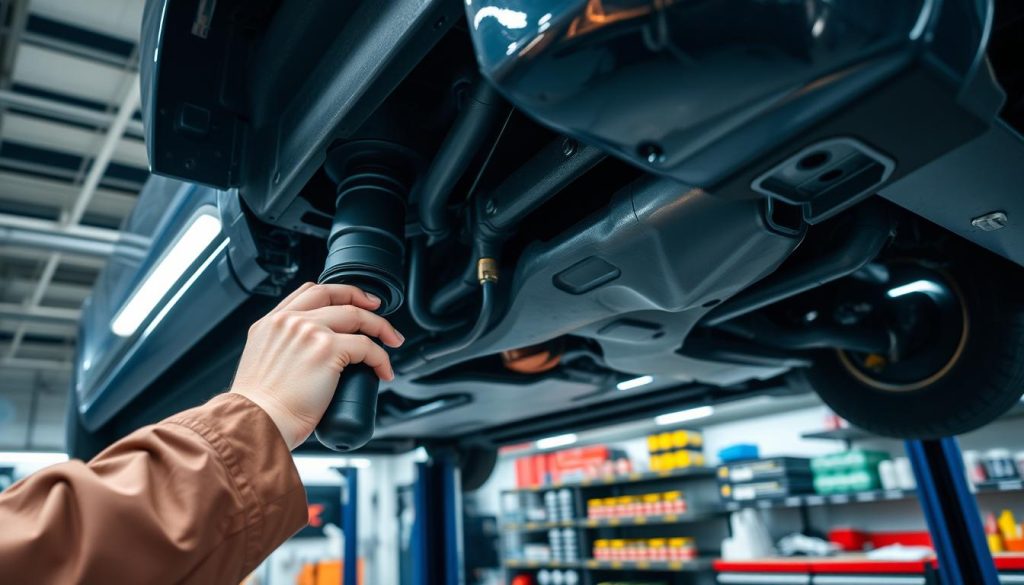
Technician Training and Expertise
ASE-certified professionals complete rigorous programs covering fluid types, filter specifications, and torque settings. Brands like Jiffy Lube employ technicians who service over 19 million vehicles annually. Their expertise prevents common DIY errors like cross-threaded filters or overfilled fluid levels.
Quality checks include verifying seal integrity and testing drain plug tightness with calibrated tools. Multi-point inspections often spot worn belts or low coolant during appointments. These measures extend engine life while keeping warranties valid.
| Safety Measure | Professional Service | Home DIY |
|---|---|---|
| Tool Calibration | Manufacturer-grade equipment | Personal tool reliability |
| Hazard Handling | EPA-compliant disposal | User responsibility |
| Error Prevention | Double-checked by experts | Self-monitored |
Using the Right Oil and Filters
Vehicle-specific filters and fluids prevent 73% of lubrication-related engine failures. Professionals match synthetic blends or conventional oils to your driving habits and climate. They also confirm that viscosity grades meet factory requirements.
Home projects risk using incompatible filters that leak or restrict flow. Certified centers stock exact replacements for your make and model. This attention to detail maintains pressure levels and protects internal components.
Time Efficiency: Fast Express Services vs Home DIY
Modern vehicle care balances speed and practicality. Express drive-through options eliminate wait times, while DIY projects demand hands-on effort. Let’s explore how each approach impacts your schedule.
Express Drive Through Benefits
Providers like Express Oil Change & Tire Engineers deliver oil changes in 10 minutes without appointments. Their drive-through model lets you stay in your car while technicians refresh fluids and inspect tires. Competitors like Jiffy Lube average 15-minute services, still outpacing most DIY efforts.
Home projects require 30-60 minutes, factoring in tool setup and cleanup. Professionals handle disposal and recycling instantly—tasks that add extra steps for DIYers. Many centers include complimentary tire pressure checks or battery tests during visits.
Scheduling Appointments for Convenience
Online booking guarantees service slots during lunch breaks or errand runs. Express services recommend appointments for complex tasks but welcome walk-ins for basic maintenance. This flexibility suits drivers needing immediate attention before long trips.
DIY scheduling depends entirely on your availability. Unexpected delays—like missing tools or spills—can stretch projects across days. Professional services minimize disruptions, letting you prioritize work or family time.
Convenience and Flexibility: Walk-In and Scheduled Appointments
Balancing car maintenance with daily life requires smart scheduling solutions. Modern providers now offer walk-in availability and digital booking systems to match diverse routines. This dual approach lets drivers choose immediate care or planned visits based on urgency.
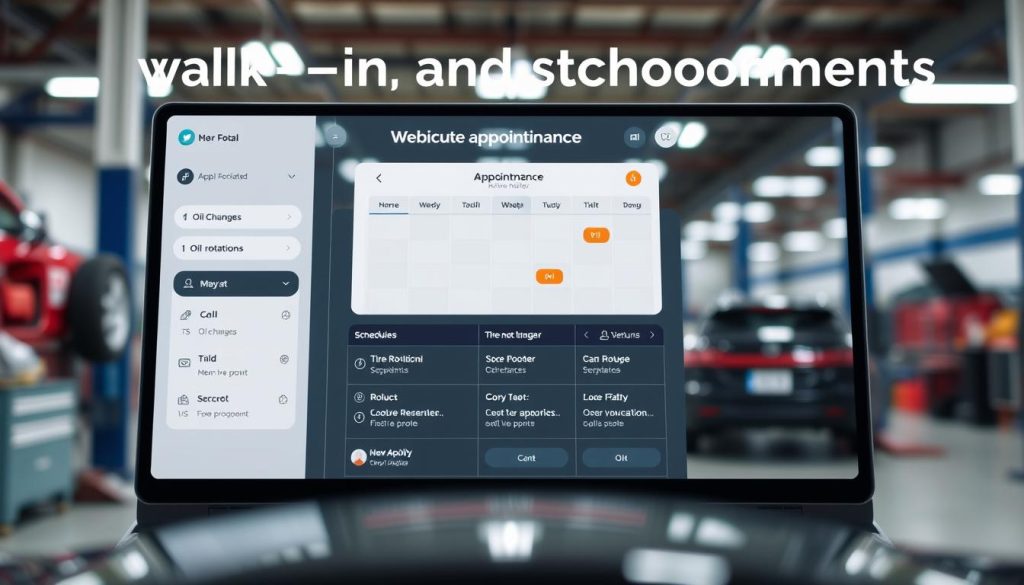
Online Appointment Advantages
Digital scheduling tools transform how you manage automotive needs. Book slots during lunch breaks or weekend errands through provider apps. Many systems sync with your calendar to prevent conflicts and send reminder alerts.
Guaranteed time slots mean shorter waits compared to walk-ins. Some centers reserve express lanes for pre-booked clients. You can also request specific services like tire rotations upfront through digital forms.
| Feature | Walk-In | Scheduled |
|---|---|---|
| Availability | Immediate openings | Time-block reserved |
| Wait Time | 15-45 minutes | Under 10 minutes |
| Added Services | Basic options | Custom packages |
| Reminders | None | Email/text alerts |
Hybrid models thrive in urban areas where same-day slots meet spontaneous needs. Centers like Take 5 Oil Change blend both systems, accepting reservations while keeping bays open for urgent visits. This strategy reduces overcrowding and improves service quality.
Comprehensive inspections often accompany scheduled appointments. Technicians check fluid levels, belts, and battery health when given adequate time. These value-added checks help maintain your vehicle’s performance between major services.
Understanding Oil Types: Synthetic vs Conventional
Your vehicle’s lubrication system relies on selecting the right fluid to maximize engine health. Modern lubricants fall into two categories with distinct chemical compositions and performance profiles. Matching these to your driving habits and vehicle specifications ensures peak efficiency.
Differences in Performance and Longevity
Synthetic motor oil outperforms conventional options in extreme conditions. Its uniform molecular structure resists breakdown at high temperatures, protecting turbocharged engines and stop-and-go commutes. Advanced additives also reduce sludge buildup, extending service intervals to 7,500-15,000 miles.
Conventional lubricants work well for older models with simpler designs. These petroleum-based fluids cost less per quart but require changes every 3,000-5,000 miles. They lack the thermal stability of synthetics, making them less ideal for towing or extreme climates.
Recommendations Based on Vehicle Needs
Follow your owner’s manual for viscosity grades and approval standards. Newer engines with tight tolerances often require synthetics, while high-mileage vehicles benefit from specialized blends. Consider these factors:
- Driving frequency: Low annual mileage favors conventional options
- Climate: Synthetic protects better in sub-zero winters
- Engine age: Older models may leak synthetic thinner formulas
| Factor | Synthetic | Conventional |
|---|---|---|
| Cost per quart | $6-$10 | $4-$7 |
| Change Frequency | 7,500+ miles | 3,000-5,000 miles |
| Extreme Temp Range | -40°F to 500°F | 0°F to 300°F |
Maintenance: The Role of Regular Oil Changes in Car Care
Consistent vehicle upkeep forms the foundation of long-term automotive health. While lubrication services might seem routine, they directly impact engine protection and operational efficiency. Modern drivers benefit most when combining scheduled professional care with informed personal oversight.
Preventive Maintenance Strategies
Sticking to factory-recommended intervals prevents sludge buildup and metal-on-metal wear. Many 2024 models track service needs through dashboard alerts, simplifying timing decisions. Quality filters and fluids matter more than frequency alone; cheap alternatives often fail faster.
Blend professional inspections with basic DIY checks between visits. Monitor fluid color monthly and watch for leaks. Certified shops use diagnostic tools to spot issues like worn piston rings early, saving repair costs later.
Digital maintenance logs help track patterns across seasons or mileage milestones. Apps like CarFax Service Partner automatically record services while reminding you about tire rotations or coolant flushes. This proactive approach extends vehicle longevity by 30-40% in many cases.