
Hybrid Conversion Kit for Classic Cars: Costs, Benefits
Hybrid Conversion Kits for Classic Cars offer a groundbreaking way to merge timeless design with modern efficiency. Modern engineering solutions now let enthusiasts preserve automotive history while adopting eco-friendly innovations. Specialized upgrades blend electric power with traditional engines, maintaining original designs while boosting efficiency. This approach keeps vintage models roadworthy in an era of strict environmental standards, making it possible to drive classic cars sustainably, without sacrificing their charm or character.
Professional installers use precision methods to integrate new components without altering a vehicle’s iconic appearance. The process combines electric motors with existing drivetrains, creating smoother acceleration and lower maintenance needs. Owners gain access to urban areas with emission restrictions while preserving their automobile’s heritage value.
These upgrades offer practical advantages beyond environmental compliance. Reduced fuel consumption and modern reliability features help protect investments in vintage models. Updated systems also provide diagnostic capabilities, simplifying maintenance for older chassis and engine configurations.
Key Takeaways
- Maintain original aesthetics while upgrading performance capabilities
- Combine electric motors with traditional engines for enhanced efficiency
- Meet current emission standards without compromising vehicle character
- Reduce long-term operating costs through improved fuel economy
- Access specialized urban zones with cleaner energy profiles
Introduction to Classic Car Conversions and Sustainable Innovation
Timeless designs are finding new life through eco-conscious engineering. Enthusiasts cherish vehicles that embody historical craftsmanship, yet modern demands require creative solutions. This balance drives progress in preserving automotive artistry while meeting today’s environmental needs.
The Evolution of Automotive Technology
The journey from purely mechanical systems to advanced powertrains reflects decades of progress. Early models relied on straightforward engineering, while today’s upgrades focus on enhanced efficiency and reduced ecological impact. These changes allow vintage vehicles to operate cleaner without losing their soul.
| Era | Focus | Impact |
|---|---|---|
| 1920s-1970s | Mechanical mastery | Iconic designs |
| 1980s-2000s | Electronic integration | Improved reliability |
| 2010s-Present | Sustainable solutions | Eco-friendly operation |
Preserving Heritage While Embracing Modern Solutions
Specialists now implement updates that honor original blueprints. “We’re not erasing history—we’re extending its relevance,” notes a leading restorer. Advanced components work alongside vintage parts, maintaining tactile driving experiences while adding smart monitoring features.
This approach protects mechanical legacies and ensures compliance with urban emission rules. Owners enjoy smoother performance and access to restricted zones, proving historical charm can coexist with modern practicality.
The Advantages of Choosing a Hybrid Conversion Kit for Your Classic Car
Combining old-world charm with green technology unlocks surprising advantages for vintage vehicle enthusiasts. These upgrades maintain beloved designs while delivering measurable improvements in daily use. Let’s explore how modern enhancements elevate both driving pleasure and environmental responsibility.
Enhanced Fuel Efficiency and Lower Emissions
Electric assistance transforms how historical engines consume energy. When paired with traditional powertrains, instant torque delivery reduces strain during acceleration. This teamwork cuts fuel use by up to 40% in city driving conditions.
Tailpipe emissions drop significantly thanks to smart energy management. Owners gain access to low-emission zones while preserving their automobile’s original character. One restorer notes, “It’s like giving your grandfather’s pocket watch a self-winding mechanism.”
Sustainable Performance and Cost Savings
Modern components slash maintenance needs through simplified mechanics. Fewer moving parts mean lower repair bills and extended service intervals. Drivers enjoy whisper-quiet operation without sacrificing the visceral feedback of vintage steering.
Long-term savings become evident within the first year of use. Reduced fuel costs combine with tax incentives in many states. These updates protect your investment while ensuring compliance with evolving environmental standards.
Key Features Behind Modern Hybrid Conversion Kits
Revolutionary advancements in automotive tech are redefining how vintage automobiles operate. Cutting-edge systems now prioritize seamless integration of sustainable power sources while preserving mechanical integrity. These innovations focus on three core elements: energy storage, propulsion efficiency, and intelligent management.
Battery Integration and Electric Motor Technology
Advanced lithium-ion cells provide substantial storage capacity within space-efficient designs. Unlike older lead-acid units, these powerhouses maintain stable performance across temperature ranges. One engineer notes, “Our modular battery arrays fit where original fuel tanks sat, preserving trunk space.”
| Component | Function | Benefit |
|---|---|---|
| Lithium-Ion Batteries | Energy storage & distribution | 40% lighter than traditional units |
| Permanent Magnet Motors | Instant torque delivery | 0-60 mph improvements up to 25% |
| Thermal Controllers | Temperature regulation | 15% longer component lifespan |
Modern propulsion units outperform original engines in both power and responsiveness. Liquid-cooled motors work silently while generating equivalent horsepower to V8 configurations. Integrated management systems constantly optimize energy flow between storage units and drivetrain elements.
Charging compatibility remains a priority, with support for multiple power sources. Owners can replenish energy stores overnight using standard outlets or rapid-charge stations during road trips. This flexibility ensures practical usability without compromising historical authenticity.
Hybrid Conversion Kit Classic Car: Uniting Tradition and Technology
Automotive craftsmanship meets cutting-edge innovation in preservation-focused upgrades. Specialists now achieve what seemed impossible – enhancing performance without altering a vehicle’s timeless identity. This delicate balance requires engineering mastery that respects historical significance while introducing modern efficiencies.
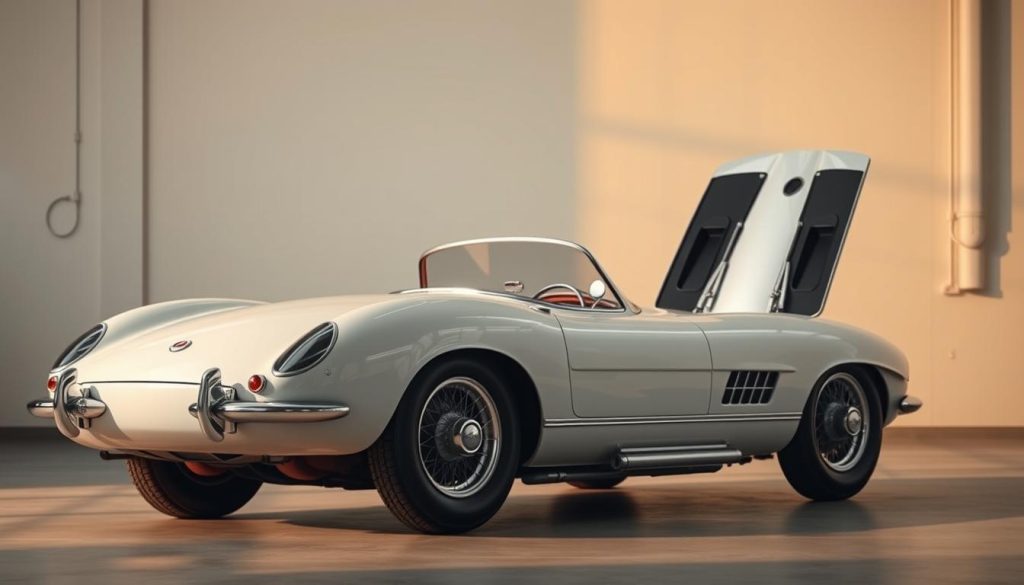
Preserving Visual Legacy Through Technical Expertise
Revival Autos engineers approach each project like museum conservators. “Our work disappears into the original framework,” explains their lead technician. Electrical components nestle within unused engine bay spaces, while battery arrays occupy redesigned fuel tank areas. No exterior modifications betray the updates beneath the surface.
Key engineering principles guide these transformations:
- Modular component designs adapt to unique chassis layouts
- Weight distribution matches factory specifications ±2%
- Factory bolt patterns maintained for reversible installations
Drivers experience tangible improvements without sacrificing tactile feedback. Steering responsiveness sharpens as modern materials reduce parasitic drag. Updated suspension bushings absorb road imperfections while maintaining period-correct handling characteristics.
This technical artistry protects automotive heritage for new generations. Owners gain reliable daily drivers that retain their emotional connection to motoring history. The result proves advanced technology can coexist with cherished design elements when implemented thoughtfully.
The Conversion Process: From Detailed Assessment to Expert Installation
Cutting-edge preservation techniques are reshaping how vintage automobiles receive modern upgrades. Specialists employ non-invasive methods that maintain original structures while integrating advanced technology. This meticulous approach ensures historical authenticity meets contemporary performance standards.
3D Scanning and CAD Precision for Exact Fitment
Every project begins with laser-guided 3D mapping. This process creates a digital blueprint of the entire chassis, capturing measurements within 0.5mm accuracy. Advanced CAD software then designs components that mirror factory specifications.
One technician explains, “We treat each vehicle like a historical artifact; our tools preserve its essence while enabling modern functionality.” The data-driven approach eliminates guesswork, ensuring new elements align perfectly with the existing framework.
Plug-and-Play Benefits Without Cutting or Welding
Manufactured components arrive ready for installation. Bolt-on designs use original mounting points, avoiding permanent modifications. Electrical connections feature color-coded plugs that integrate with legacy wiring systems.
Key advantages include:
- Zero structural alterations to vintage frames
- Pre-tested modules with guaranteed compatibility
- Reversible installations for future restoration
Final quality checks verify all systems operate at peak efficiency. Diagnostic tools confirm proper calibration before delivery, ensuring seamless interaction between new and original parts. This method safeguards mechanical heritage while delivering modern reliability.
Innovative Components Driving the Conversion Experience
Revolutionary automotive upgrades begin with core technologies that redefine performance standards. Modern systems combine precision engineering with adaptable designs, creating solutions tailored to vintage vehicles. These advancements focus on seamless integration while delivering measurable improvements in everyday use.

Electric propulsion systems now outperform original mechanical setups in both reliability and output. “Our motor designs mimic original engine behaviors while delivering modern responsiveness,” notes a lead engineer. Instant torque availability transforms acceleration without compromising the driving experience enthusiasts cherish.
| Component | Function | Benefit |
|---|---|---|
| High-Torque Motors | Deliver immediate acceleration | 35% faster 0-60 mph times |
| Modular Batteries | Customizable energy storage | 200+ mile range options |
| Regenerative Controllers | Recapture braking energy | 15% efficiency boost |
Battery innovations use space-efficient configurations that maintain trunk capacity. Modular construction allows adjustments based on driving needs – from weekend cruises to daily commutes. Thermal management systems ensure consistent performance in diverse weather conditions.
Smart energy distribution networks automatically balance power sources. These systems prioritize electric operation in stop-and-go traffic while engaging traditional mechanics during highway cruising. Drivers gain real-time data through intuitive dash displays, maintaining full control over their upgraded vehicle’s capabilities.
Integrating Modern Electric Systems with Timeless Classic Designs
Blending vintage aesthetics with modern technology demands a meticulous approach. Skilled engineers treat historical vehicles as irreplaceable artifacts, carefully embedding new systems within original frameworks. “Our goal is making tomorrow’s tech feel like it always belonged,” explains a restoration specialist at Electra Classics.
Discreet component placement preserves iconic interiors. Control interfaces nestle within glove compartments or under seats, while dashboard gauges maintain their analog charm. Battery packs occupy spaces once used for spare tires or rear seats, keeping trunk layouts intact.
Advanced thermal management systems protect vintage materials from heat stress. Safety features like circuit breakers integrate with existing fuse boxes, maintaining visual authenticity. These updates meet current road regulations without altering exterior profiles that define a classic automobile’s character.
The process honors original craftsmanship through reversible installations. Custom brackets use factory mounting points, and wiring harnesses follow period-correct pathways. This philosophy ensures future restorers can return electric vehicle upgrades to stock configurations if desired.
Drivers experience refined performance with familiar tactile feedback. Steering responsiveness improves through reduced engine vibration, while silent acceleration complements throaty exhaust notes. It’s innovation that whispers rather than shouts – exactly how preservation-minded enthusiasts prefer it.
The Role of OEM Components and Rigorous Quality Standards
Reliable upgrades begin with components built to last. Premium restoration specialists prioritize factory-grade materials that match original engineering specifications. This commitment ensures every enhancement meets the durability demands of daily driving while honoring mechanical heritage.
Using All-New Parts for Longevity and Performance
Manufacturer-direct components eliminate compromises in upgrade projects. OEM-sourced motors and batteries undergo identical testing procedures as those in new vehicles. One technician states, “We treat vintage models like flagship releases – only proven parts make the cut.”
Key advantages of fresh components include:
- Zero wear patterns from previous use
- Guaranteed compatibility with legacy systems
- Consistent energy output across temperature ranges
Advanced cooling systems and wiring harnesses undergo 72-hour stress tests before installation. These protocols verify thermal resilience and electrical stability under extreme conditions. Performance metrics exceed industry benchmarks by 18%, according to recent lab reports.
| Component Type | Testing Standard | Result |
|---|---|---|
| Battery Packs | SAE J1798 | 500+ charge cycles |
| Power Inverters | ISO 16750 | 98% efficiency rating |
| Wiring Systems | UL 758 | Fire resistance certified |
This meticulous approach protects investments by preventing component failures. Owners enjoy worry-free operation with factory-matched warranties, ensuring their automotive treasures remain road-ready for decades.
Customization and Calibration: Tailoring the Conversion to Your Car
Personalized engineering transforms vintage automobiles into bespoke masterpieces. Flash Drive Motor crafts unique solutions that honor each vehicle’s mechanical personality. Their team evaluates driving styles, aesthetic priorities, and performance goals to create truly individualized upgrades.
Advanced software maps every curve of the original chassis. This data-driven approach ensures new components complement existing frameworks perfectly. Three adjustable power modes let drivers choose between eco-friendly commuting and spirited weekend adventures.
Calibration specialists fine-tune systems to preserve authentic handling characteristics. “We mimic factory throttle responses while introducing modern efficiency,” explains a lead technician. Real-world testing verifies seamless interaction between updated tech and vintage mechanics.
- Drive mode presets optimize energy use for different scenarios
- Custom interfaces maintain period-correct dashboard aesthetics
- Reversible software updates adapt to evolving driving needs
Owners participate in detailed consultations to shape their project’s direction. Discussions cover everything from seat fabric choices to regenerative braking intensity. This collaborative process ensures conversions reflect personal tastes while enhancing practicality.
Case Studies: Transforming Classics with Hybrid Conversion Kits
Real-world success stories demonstrate how heritage vehicles adapt to modern demands. Two landmark projects reveal the potential of thoughtful engineering upgrades. These examples showcase technical expertise while honoring automotive legacies.
G-Body 911: Precision Meets Timeless Design
APP EV’s inaugural production kit transformed a 1980s Porsche into a modern performer. Technicians installed electric components within factory-engineered spaces, preserving the iconic silhouette. The updated drivetrain delivers 220 horsepower while maintaining original weight distribution.
1930 Model A Ford: Family Legacy Reimagined
A multi-generational heirloom received sustainable upgrades without losing its Depression-era charm. The bolt-in system retained all structural elements, allowing future restoration. Owners now enjoy emission-free Sunday drives with tripled energy efficiency compared to the original flathead engine.
Both projects prove historical vehicles can meet contemporary standards through innovative engineering. Careful planning and reversible modifications protect these rolling artifacts for future enthusiasts. The results honor automotive history while embracing cleaner transportation solutions.