
Tips to Reduce Your Synthetic Oil Change Cost at Home
Keeping your vehicle running smoothly requires regular maintenance, and choosing the right service matters. In 2025, prices for engine care services vary widely based on your car’s needs and where you live. While basic options start around $45, advanced formulas and specialty filters can push costs over $125 per visit.
Urban areas often charge more due to higher operating expenses, while rural shops might offer competitive rates. Luxury models and high-performance engines typically need premium products, adding to the total. Dealerships and independent mechanics also price differently; dealerships average $100 for full-service packages, including filter replacements.
Your vehicle’s manual provides the best guidance for maintenance schedules. Following these recommendations helps avoid costly repairs later. Many drivers find that investing in quality services now saves money over their car’s lifetime.
Key Takeaways
- Prices range from $45 to $125, depending on vehicle type and location
- Engine size and manufacturer guidelines impact service requirements
- Urban centers typically charge 15-20% more than suburban areas
- Dealerships include filter changes in their standard pricing
- Premium filters for luxury models can exceed $260
- Regular maintenance prevents major engine issues over time
Understanding Oil Change Types and Costs
Modern engines demand specific lubrication solutions. Three primary options dominate the market, each with distinct performance characteristics and price points.
Breaking Down Lubricant Options
Conventional lubricants remain the most budget-friendly option. Derived from crude petroleum, these work best for older models or cars with simple engine designs. Most basic services using this type range from $35-$75.
Semi-synthetic blends strike a balance between affordability and enhanced protection. These mixtures combine natural and lab-created components, extending maintenance intervals compared to conventional options. Typical pricing falls between $40-$100 per service.
2025 Pricing and Service Intervals
Advanced formulations designed for high-performance engines represent the premium category. These laboratory-engineered solutions offer superior temperature resistance and longevity, with costs spanning $65-$125.
| Type | Price Range | Service Interval |
|---|---|---|
| Conventional | $35-$75 | 5,000 miles |
| Semi-Synthetic | $40-$100 | 8,000 miles |
| Full Synthetic | $65-$125 | 10,000 miles |
Newer vehicles often require specialized formulas from the factory. Always consult your owner’s manual before selecting a lubricant – using the wrong type might void warranties or reduce engine efficiency.
Synthetic Oil Change Cost: Key Factors to Consider
Understanding what drives pricing for engine care helps car owners make informed decisions. Multiple elements combine to create final service charges, from technical specifications to regional market trends.
Vehicle Requirements and Manufacturer Recommendations
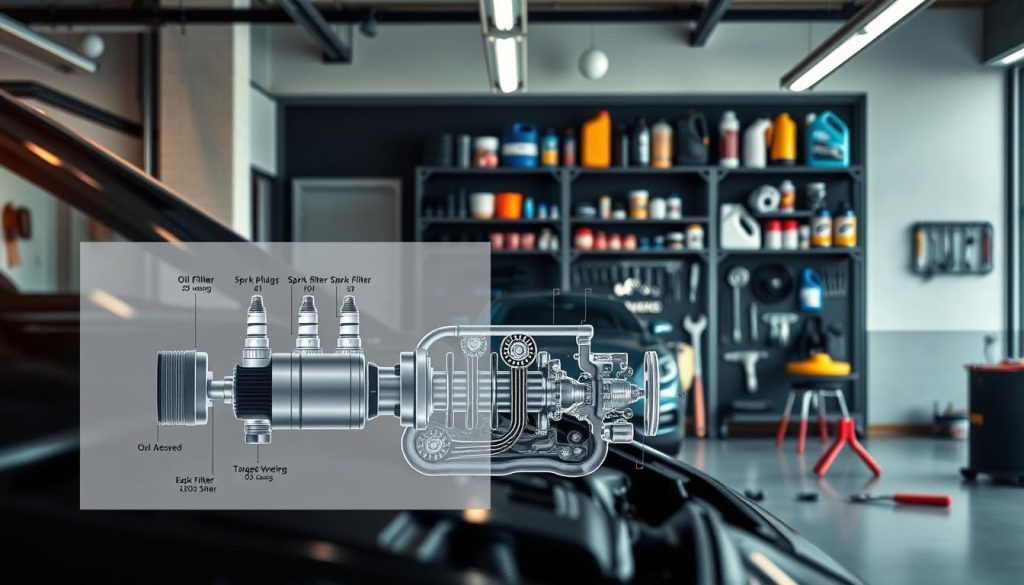
Your car’s design dictates lubrication needs. Compact models typically use 4-5 quarts, while trucks might require 8 quarts or more. High-performance engines often demand specialized formulas that protect components under extreme stress.
Always check your owner’s manual first. Manufacturers specify exact viscosity grades and certification standards. Using incompatible products could void warranties or reduce engine life. Luxury brands frequently require premium filters that triple standard replacement costs.
Impact of Geographic Location and Service Provider Quality
Urban centers like New York or San Francisco charge 25% more than rural Alabama shops. Higher rents and labor rates push up prices in metropolitan areas. Coastal regions also tend to have pricier services compared to midwestern states.
Certified technicians at dealerships often charge $85-$125 hourly, while quick-lube chains average $50-$75. Premium shops justify higher rates with extended warranties and advanced diagnostic tools. Seasonal promotions can slash prices by 15% during slower months.
Bundled services like fluid checks add $20-$40 but help catch issues early. Prioritize facilities offering transparent pricing breakdowns rather than flat-rate estimates.
Comparing Service Providers and Dealerships
Your car’s maintenance partner affects both immediate expenses and long-term performance. Three primary options dominate the market: national chains, local specialists, and brand dealerships. Each offers distinct advantages depending on your priorities.

National Chain Price Comparisons and Discounts
Major retailers leverage bulk purchasing to keep rates competitive. Walmart leads with basic services starting under $20, while premium options at Firestone and Pep Boys approach $100. Quick-service specialists like Jiffy Lube balance speed and affordability.
| Provider | Price Range | Discount Opportunities |
|---|---|---|
| Walmart | $19.88-$52.88 | Rollback pricing |
| Valvoline | $39.99-$95.99 | Online coupons |
| Pep Boys | $24.99-$99.99 | Loyalty programs |
Seasonal promotions can slash prices by 30% at many chains. Always check for digital coupons before booking appointments. Some locations price-match competitors to earn your business.
Local Mechanic Versus Dealership Service Options
Dealerships employ brand-certified technicians using factory-approved parts. This expertise comes at a premium – expect to pay $80-$120 for full-service packages. Independent shops often match chain prices while offering personalized attention.
Newer vehicles might require dealership visits to maintain warranties. Older models benefit from local mechanics’ lower labor rates and flexible scheduling. Pro tip: Ask neighborhood shops about multi-service discounts for repeat customers.
Advantages of Synthetic Oil for Your Vehicle
Choosing premium fluids transforms how your car performs and ages. These advanced formulas deliver benefits that go beyond basic lubrication, making them worth considering for most drivers.
Enhanced Engine Performance and Protection
Superior lubrication reduces friction between moving parts, helping components last longer. This protection matters most during extreme weather – formulas maintain stable viscosity whether temperatures drop below freezing or soar above 100°F.
Extended maintenance intervals mean fewer service visits. Many vehicles now go 10,000 miles between appointments. This saves time and reduces waste from frequent fluid replacements.
Environmental and Efficiency Benefits
Cleaner-burning formulas improve fuel economy by 1-2%. Over a year of driving, this adds up to noticeable savings at the pump. Reduced emissions also help minimize environmental impact.
Advanced detergents prevent sludge buildup inside engines. Cleaner internals work more efficiently, maintaining power output as your car ages. Proper care following the owner’s manual ensures these advantages last through your vehicle’s lifetime.