
Waterless Car Wash: Effortless, Eco-Friendly Shine for Your Car
Maintaining a pristine vehicle no longer requires hours with a hose or trips to the car wash. A new approach combines efficiency with environmental awareness, using advanced formulas to deliver showroom-quality results. This method skips the suds and buckets, offering a streamlined alternative for today’s busy lifestyles.
The secret lies in specialized sprays that tackle dirt without water. These products contain cleaning agents that lift grime, lubricating components to protect paint, and gloss-boosting formulas. One quick application followed by gentle wiping leaves surfaces shining while conserving hundreds of gallons annually.
Professionals and casual users alike appreciate how this system adapts to various situations. Whether in water-restricted areas or cramped urban spaces, it provides consistent results. The process takes minutes rather than hours, making regular maintenance practical for anyone valuing their time.
Key Takeaways
- Eco-friendly alternative to traditional methods
- Reduces water consumption significantly
- Prevents scratches through lubricated cleaning
- Delivers professional-grade shine quickly
- Ideal for urban living and quick touch-ups
Understanding the Concept of a Waterless Car Wash
Modern automotive care embraces efficiency with groundbreaking cleaning methods. This approach eliminates the need for hoses or buckets while maintaining showroom-quality results. Often called a spray-on solution, the technique relies on specialized formulas to lift dirt without harming surfaces.
Defining What a Waterless Car Wash Is
These innovative cleaning systems combine high-lubricity sprays with microfiber towels. You mist the solution onto panels, allowing its engineered compounds to encapsulate grime. A gentle wipe removes contaminants while leaving protective polymers behind. Unlike conventional methods, only a cup of water is used for towel rinsing.
How It Differs from Traditional Car Washing
Traditional approaches require multiple steps and significant resources. Compare the two methods:
| Aspect | Traditional | Waterless |
|---|---|---|
| Water Used | 40-100 gallons | 2-4 cups |
| Equipment Needed | Hose, buckets, brushes | Spray bottle, microfiber |
| Time Investment | 45+ minutes | 15-20 minutes |
| Surface Protection | Basic cleaning | Gloss enhancement |
The advanced formulas contain polish-enhancing agents that traditional soaps lack. This creates a protective barrier against future dirt accumulation while conserving resources. Urban dwellers particularly benefit from the space-saving nature of this technique.
Benefits of Using a Waterless Wash
Urban drivers and environmental advocates alike find value in this innovative cleaning approach. By combining practicality with ecological responsibility, it addresses two critical modern concerns: resource preservation and efficient maintenance.
Eco-Friendly and Water Conservation Advantages
Traditional cleaning methods consume 80-140 gallons per session – enough to fill three bathtubs. This method slashes that number to less than half a gallon. The Environmental Protection Agency notes that runoff from standard methods carries pollutants into waterways, making this alternative particularly vital for protected ecosystems.
| Method | Water Used | Chemical Runoff |
|---|---|---|
| Traditional | 100+ gallons | High |
| Alternative | 0.5 gallons | None |
Communities with water restrictions increasingly recommend these solutions. “The cumulative impact of millions choosing this method could preserve entire reservoirs annually,” states a sustainability report from California’s Water Board.
Time-Saving and Efficient Cleaning Process
What once required hose setup and hours of labor now takes 10-15 minutes. Office workers often clean their vehicles during lunch breaks using just:
- A spray bottle
- Three microfiber towels
- Protective gloves
The streamlined process eliminates drying time while leaving surfaces polished. Multi-functional formulas handle dirt removal and wax application simultaneously, reducing product clutter. Regular users report spending 70% less time on maintenance compared to conventional methods.
How Does a Waterless Car Wash Work?
Advanced automotive care solutions now rely on chemistry rather than water pressure. Specialized formulas combine three engineered components that tackle grime through molecular action. This approach eliminates runoff while maintaining surface integrity.
The Science Behind Surface Preparation
Cleaning agents use concentrated surfactants to weaken dirt’s grip on paint. Unlike traditional soaps, these compounds break molecular bonds between contaminants and clear coats. Emulsifiers then suspend particles for safe removal.
Lubricating polymers create a protective buffer during wiping. These slippery substances:
- Prevent abrasive contact between towels and surfaces
- Encapsulate loose debris for contamination control
- Replace water’s role in particle transportation
Dual-Action Protection and Enhancement
Synthetic polymers perform two critical functions after cleaning. First, they fill microscopic imperfections to amplify reflectivity. Second, they form temporary shields against environmental pollutants.
| Component | Function | Benefit |
|---|---|---|
| Surfactants | Loosen bonded dirt | Deep cleaning |
| Lubricants | Reduce friction | Scratch prevention |
| Polymers | Enhance & protect | Long-lasting shine |
This triple-layer system streamlines maintenance. Drivers achieve thorough results without multiple products or extended drying periods. The method proves particularly effective against urban dust and light road film.
Step-by-Step Guide to Using a Waterless Car Wash
Achieving a showroom finish requires proper technique rather than gallons of water. Follow these methods to clean effectively while protecting your vehicle’s surfaces.
Preparing Your Vehicle and Materials
Start with clean, high-quality microfiber towels. Fold each towel twice to create eight usable sides. This maximizes clean surfaces and prevents dirt transfer. Check for hardened debris on panels – these may need pre-rinsing.
Applying the Product and Wiping Techniques
Shake the solution thoroughly before spraying. Apply it directly to one section of your folded towel. Work in 2×2-foot areas using straight-line motions. Switch to a fresh side after each pass to avoid scratches.
| Step | Action | Purpose |
|---|---|---|
| 1 | Fold towels | Create multiple clean surfaces |
| 2 | Spray & wipe | Lift dirt safely |
| 3 | Buff immediately | Prevent streaks |
Maintaining a Streak-Free Finish
Use a separate dry towel for final buffing. Inspect surfaces under sunlight to spot missed areas. If residue remains, reapply the solution using light pressure. Rotate towels frequently – most vehicles require 3-4 cloths for optimal results.
Store unused solution in moderate temperatures. Wash towels separately using mild detergent to maintain absorbency. Proper care ensures consistent performance for future cleanings.
Choosing the Right Car Waterless Wash Products
Selecting effective cleaning solutions requires understanding product chemistry and performance markers. Premium formulas balance cleaning power with surface protection, using advanced ingredients that outperform basic sprays.
Identifying Quality Formulations and Ingredients
Look for these components in high-grade solutions:
- Surfactants that break down contaminants without scrubbing
- Lubricating polymers create protective barriers during wiping
- Ceramic or silica additives for extended gloss retention
Ethos Defy’s ceramic-infused option demonstrates this formula philosophy. Professional detailers frequently recommend it for its dual-action cleaning and 6-month protective qualities.
Comparing Different Brands and Product Types
Consider these factors when evaluating options:
| Feature | Basic Products | Premium Options |
|---|---|---|
| Protection Duration | 2-4 weeks | 3-6 months |
| Concentration | Ready-to-use | Dilutable formulas |
| Bottle Design | Standard sprayer | Adjustable mist |
Concentrated solutions often provide better value despite higher upfront costs. A 16oz bottle of professional-grade mix typically makes 4 gallons of working solution. Always check third-party reviews and manufacturer transparency about ingredient lists before purchasing.
Best Practices for Utilizing Microfiber Towels and Accessories
Professional-grade results begin with the right tools. High-performance fabrics transform routine maintenance into precision work, protecting surfaces while capturing contaminants effectively. Proper selection and handling prevent swirl marks that compromise your vehicle’s appearance.
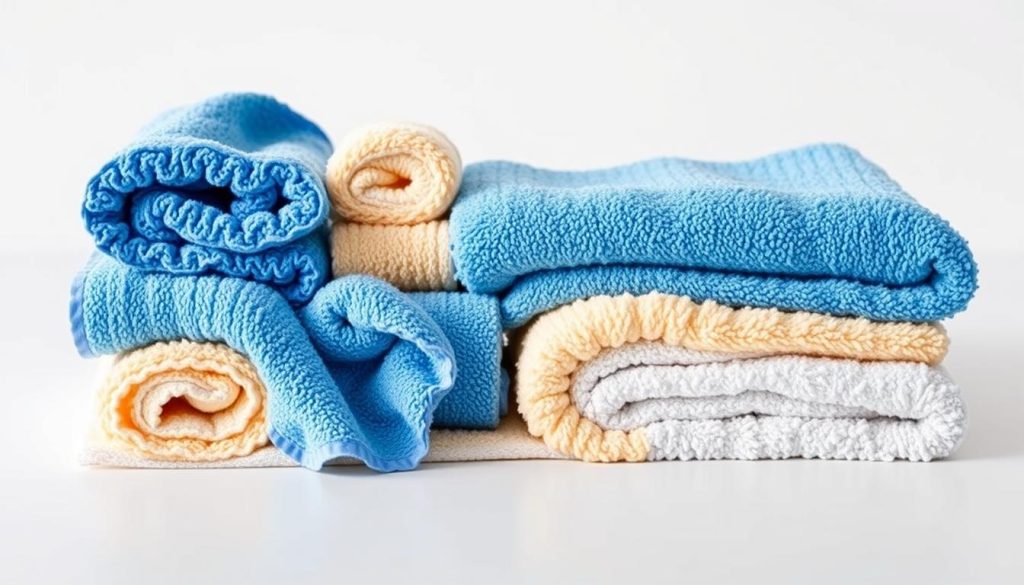
How to Select the Best Microfiber Towels
Quality depends on three technical factors:
- GSM weight: 350-500 GSM fabrics balance absorbency and durability
- Fiber split rate: 80/20 polyester/polyamide blends maximize dirt capture
- Edge stitching: Laser-cut borders prevent lint shedding
Compare entry-level and professional options:
| Feature | Standard | Premium |
|---|---|---|
| Thread Count | 70,000/sq in | 200,000/sq in |
| Pile Depth | 0.4mm | 0.8mm |
| Wash Cycles | 25+ | 100+ |
Tips for Avoiding Scratches and Swirls
Fold towels into quarters to create eight clean surfaces. Apply firm, even pressure using straight-line motions – circular wiping creates micro-scratches. “Rotate to a fresh section after each pass,” advises detailing expert Marco Rivera.
Use separate sets for:
- Initial dirt removal (plush towels)
- Final buffing (short-nap cloths)
Wash new fabrics before first use to remove manufacturing residues. Avoid fabric softeners – they coat fibers and reduce effectiveness. Air-dry completely to maintain structural integrity.
Troubleshooting Common Issues in a Waterless Car Wash
While innovative solutions simplify vehicle maintenance, certain situations demand special attention. Thick mud or industrial pollution requires adapted strategies to prevent surface damage. Recognizing these limits helps maintain your auto’s finish effectively.
Addressing Heavy Dirt, Mud, or Grime
Stubborn buildup on lower panels needs extra care. Pre-rinse affected areas with a hand sprayer using minimal water. This softens debris before applying your solution. Increase product quantity for better lubrication when tackling gritty surfaces.
When to Supplement with Traditional Washing Methods
Vehicles caked with mud or road salt benefit from hybrid approaches. Use a pressure washer first for heavy lifting, then maintain shine with quick sprays. Save waterless formulas for regular upkeep rather than deep-cleaning a dirty car after off-road adventures.