
How to Diagnose Engine Warning Lights Without a Mechanic
Table of contents Key Takeaways Understanding the Check Engine Light…
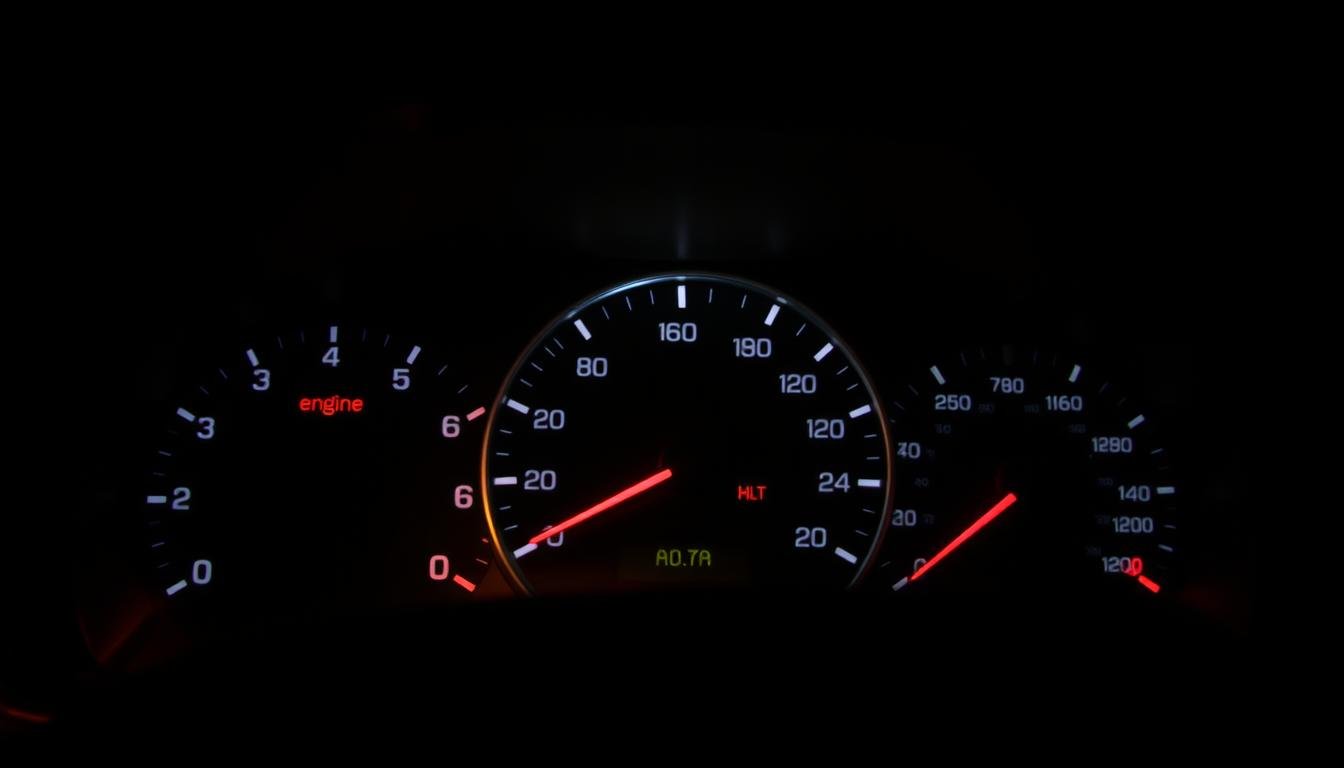
That sudden glow on your dashboard isn’t just a nuisance—it’s your vehicle’s way of telling you something’s wrong. Modern cars use advanced systems like OBD-II to monitor performance and flag issues. Whether the indicator is steady or blinking, its color and behavior hold clues about what’s happening under the hood.
This guide helps you decode these signals without rushing to a repair shop. You’ll identify common triggers, like a loose fuel cap or faulty sensor, and learn when to act fast. A flashing alert, for example, often means urgent trouble. Steady lights usually suggest less critical concerns but still demand attention.
We’ll walk through simple steps to narrow down potential causes. Basic tools like code readers or smartphone apps can reveal standardized trouble codes. Even visual inspections under the hood or around the exhaust system might uncover obvious issues. Knowing these methods saves time, money, and stress.
Key Takeaways
- Your car’s dashboard alerts use color and blinking patterns to signal urgency.
- OBD-II systems generate specific codes to pinpoint malfunctions.
- Basic tools like code readers enable DIY troubleshooting for many issues.
- Ignoring warnings can turn minor repairs into costly breakdowns.
- Safety first: Some problems require immediate professional help.
Understanding the Check Engine Light and Its Causes
When your dashboard signals trouble, it’s often pointing to fixable issues many drivers overlook. Simple maintenance oversights and sensor glitches account for most alerts – knowledge that puts control back in your hands.
Common Triggers: Loose Gas Caps and Poor Fuel Quality
A loose fuel filler cap causes 20% of dashboard warnings according to repair industry data. This tiny part maintains pressure in the tank’s vapor system. If it’s cracked or not fully tightened, your vehicle detects evaporative emissions leaks.
Using regular gasoline in premium-only engines creates another frequent issue. Lower-octane fuel burns unevenly, causing knocking sounds and efficiency codes. Always verify your owner’s manual requirements before filling up.
Sensor Malfunctions and Internal Engine Issues
Modern vehicles rely on precise data from components like oxygen sensors and mass airflow meters. When these fail, they send incorrect readings about air-fuel mixtures. Worn spark plugs or weak ignition coils often trigger similar alerts during acceleration.
More serious problems like catalytic converter failures usually follow prolonged neglect of simpler fixes. Cold weather and bad fuel can sometimes cause temporary warnings that disappear after a few drives. Always start troubleshooting with the easiest solutions first.
Reading Diagnostic Codes and Using an OBD-II Scanner
Modern vehicles communicate issues through standardized codes waiting to be read. The OBD-II port—typically found under the steering wheel—acts as your car’s communication hub. Plugging in a scanner here reveals what triggered the alert, whether it’s a minor hiccup or a serious malfunction.
How OBD-II Scanners Work
These devices tap into your vehicle’s computer to retrieve trouble codes. Basic models cost less than a pizza and display simple alerts like P0440 (often a loose gas cap). Wireless versions sync with smartphones, showing real-time data through apps.
Advanced tools go further. They track live sensor readings, compare results across drives, and even access manufacturer-specific details. Mechanics use similar tech, but affordable options now let owners monitor their car’s health between services.
Interpreting Diagnostic Trouble Codes
Codes follow a universal structure. The first letter identifies the affected area—P for powertrain, B for body electronics. Numbers that follow specify the issue. For example, P0171 signals a lean fuel mixture, often from airflow problems.
| Feature | Basic Scanners | Advanced Scanners |
|---|---|---|
| Cost | $15-$30 | $80-$300 |
| Code Definitions | Generic | Brand-Specific |
| Live Data | No | Yes |
| Repair Verification | Limited | Detailed |
Auto stores often scan codes for free, but owning a scanner lets you clear warnings after repairs. Remember: codes point to symptoms, not solutions. A P0420 catalytic converter alert might mean anything from bad spark plugs to exhaust leaks.
Step-by-Step Check Engine Light Diagnosis Process
Your car’s dashboard alert demands attention, but panic isn’t necessary. With a systematic approach, you can uncover the root cause before consulting a professional. Start by assessing your vehicle’s recent behavior and immediate surroundings.
Initial Visual and Manual Inspections
Begin with the simplest fixes. If you recently refueled, ensure the gas cap clicks three times when tightened. A cracked or missing seal triggers nearly 1 in 5 alerts. Move to the air filter housing—clogs here restrict airflow and confuse sensors.
Note odd smells, sounds, or performance changes. Rough idling or dark exhaust smoke often hints at specific issues. Check under the hood for disconnected hoses or worn belts. Fluid levels matter too—low oil or coolant can cause false alarms.
Verifying Issues with a Code Reader
Plug an OBD-II scanner into the port below your steering wheel. Retrieve all codes—even pending ones that haven’t activated the alert. P0442 often means a loose cap, while P0171 suggests air intake problems.
Cross-reference codes with your owner’s manual or trusted databases. Test components related to the error—a faulty oxygen sensor might have corroded wires. Clear codes after repairs and monitor if they reappear within 50 miles.
Create a priority list. Address safety-related problems first, like catalytic converter faults. For complex electrical issues, weigh DIY costs against mechanic expertise. Many minor glitches cost under $50 to fix yourself.
DIY Maintenance Tips to Prevent Engine Warning Issues
Taking charge of your car’s health starts with consistent care—no special tools required. Simple habits like tightening your gas cap and tracking fluid levels can stop most alerts before they appear. Many drivers don’t realize how much control they have over their vehicle’s reliability.
Routine Inspections You Can Perform at Home
Set a monthly reminder to inspect these key areas:
- Fluid levels: Oil, coolant, and brake fluid should stay between minimum and maximum markers
- Belts and hoses: Look for cracks or fraying that could lead to breakdowns
- Battery terminals: Clean corrosion with baking soda and water
Seasonal changes demand extra attention. Check PCV valves before winter and cooling systems in summer heat. Keep tires properly inflated—incorrect pressure affects fuel economy and sensor readings.
| Maintenance Task | Frequency | Key Benefit |
|---|---|---|
| Fuel system cleaner | Every 3,000 miles | Prevents injector clogs |
| Air filter replacement | 12-15k miles | Optimizes airflow |
| Oil change | Per manual specs | Reduces engine wear |
| Tire rotation | 5,000-7,500 miles | Extends tread life |
Simple Repairs and Preventative Actions
Always use gasoline matching your owner’s manual requirements. A quality fuel additive every few months keeps injectors clean. Replace worn spark plugs yourself—most modern vehicles make this a 15-minute job.
Track repairs in a notebook or app. Note dates, parts used, and symptoms resolved. This history helps spot patterns and proves useful during resale. Remember: the maintenance required light simply means scheduled service—don’t confuse it with urgent warnings.
When to Seek Professional Help for Engine Problems
Not every car issue fits a DIY solution. Some symptoms demand expert attention to prevent roadside breakdowns or safety hazards. Knowing when to call a mechanic protects both your wallet and vehicle’s longevity.
Recognizing Critical Warning Signs
Act immediately if your dashboard shows a flashing alert—this often signals engine misfires damaging the catalytic converter. Other red flags include:
- Steaming hoods or temperature gauge spikes
- Loud knocking during acceleration
- Sudden power loss while driving
Strong gasoline odors suggest fuel leaks, which pose fire risks. Never ignore these symptoms—even minor delays can escalate repair costs.
Evaluating Repair Expenses and Long-Term Impact
Mechanics typically charge $249 to replace oxygen sensors versus $1,190+ for catalytic converters. Consider these costs and risks:
| Repair | Average Cost | Risk of Delay |
|---|---|---|
| Oxygen Sensor | $189-$309 | Converter Damage |
| Spark Plugs | $220-$450 | Ignition Failure |
| Catalytic Converter | $1,025-$1,355 | Failed Emissions Test |
Complex jobs like converter replacements require welding tools and lift access. Many warranties also void coverage if untrained individuals attempt electrical repairs. Always verify technician certifications before authorizing work.
Effective Check Engine Light Diagnosis at Home
Mastering vehicle diagnostics requires both knowledge and the right approach. Many drivers successfully identify issues like faulty mass airflow sensors or ignition coil failures using methodical testing. Start by focusing on components responsible for 60% of alerts according to repair data.
Ensuring Accurate Self-Diagnosis
Contaminated mass airflow sensors often trigger codes like P0101. Clean them with specialized spray before replacement. For ignition coils, conduct cylinder-specific tests by swapping parts between positions. Misfires that follow the coil indicate failure.
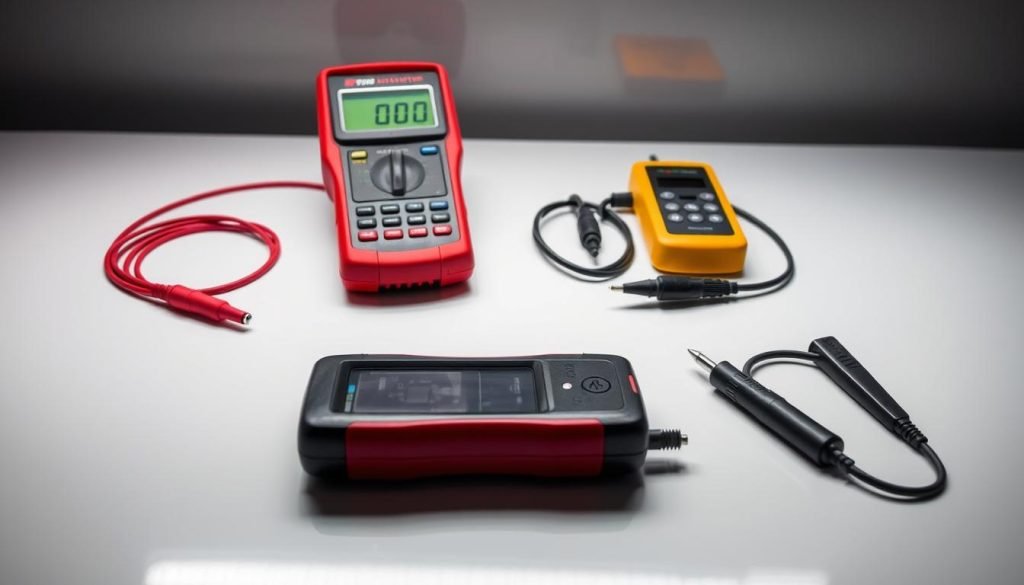
Use a digital multimeter to verify sensor resistances match factory specs. Check wiring harnesses for rodent damage or corrosion—common culprits behind false readings. Document voltage patterns during cold starts and acceleration.
Tools and Resources to Support Your Diagnosis
Build a reliable toolkit with these essentials:
- OBD-II scanner with live data streaming
- Factory service manuals for wiring diagrams
- Infrared thermometer for exhaust comparisons
Join vehicle-specific forums to access crowd-sourced repair histories. Compare your findings against technical service bulletins from manufacturers. When unsure, consult certified technicians through virtual diagnostic services.
Conclusion
Decoding dashboard alerts empowers drivers to address issues before they escalate. The methods outlined here turn mysterious warnings into actionable insights, helping you avoid unnecessary shop visits. A loose gas cap or aging sensor becomes a quick fix rather than a financial burden.
Regular maintenance paired with basic scanning tools keeps your vehicle running smoothly for years. Older cars particularly benefit from this proactive approach—catching minor glitches early prevents major system failures. While DIY solutions work for many alerts, complex electrical issues still demand professional expertise.
Protect your investment beyond routine care. Mechanical coverage plans supplement standard auto insurance, offering peace of mind for expensive repairs. Remember: unresolved warnings can void warranties and lead to inspection failures. Stay informed, stay prepared, and keep your travels stress-free.
FAQ
Can a loose fuel cap really trigger the dashboard warning indicator?
Yes. A loose or damaged fuel cap allows fuel vapors to escape, disrupting the vehicle’s emissions system. This often triggers the alert. Tighten or replace the cap, then drive for 50–100 miles to see if the light resets.
How do I interpret codes from an OBD-II scanner?
Codes like P0171 (system lean) or P0420 (catalytic converter efficiency) indicate specific issues. Cross-reference codes with online databases or your vehicle’s manual. Temporary codes may clear after fixing minor problems, while persistent ones require deeper diagnosis.
What routine checks can prevent unexpected alerts?
Inspect spark plugs for wear, ensure the mass airflow sensor is clean, and verify fuel quality. Replace air filters every 12,000–15,000 miles and monitor the oxygen sensor’s performance to avoid emissions-related triggers.
When should I avoid DIY repairs for engine warnings?
Seek professional help if you notice severe symptoms like knocking sounds, smoke, or stalling. Issues involving the catalytic converter, internal engine components, or recurring codes often require specialized tools and expertise.
Are generic OBD-II scanners reliable for home diagnosis?
Basic scanners provide code readings, but advanced tools like BlueDriver or Autel offer live data and manufacturer-specific codes. Pair these with repair databases for accurate troubleshooting without a mechanic.
Can low-quality fuel affect the emissions system?
Yes. Contaminated or low-octane fuel may cause incomplete combustion, leading to oxygen sensor or catalytic converter damage. Use fuel with the octane rating specified in your owner’s manual to avoid these issues.