
Car Fluids to Check Monthly: A Simple Guide for Better Vehicle Health
Table of contents Key Takeaways Why Regular Fluid Checks Matter…
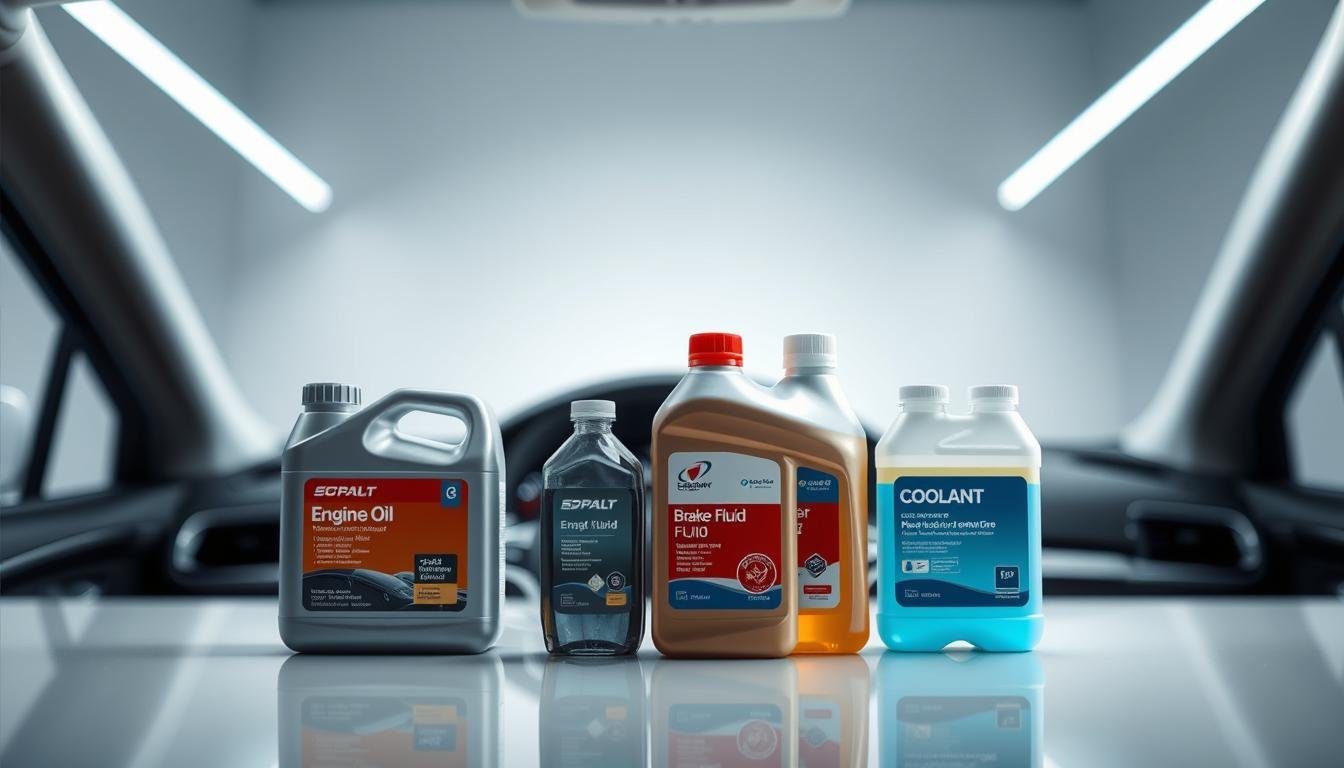
Modern automobiles may seem invincible, but even advanced engineering can’t eliminate the need for basic care. Your ride depends on six specialized liquids to keep everything from the engine to the brakes working smoothly. Ignoring them risks poor performance, safety hazards, and pricey repairs – problems easily avoided with simple monthly inspections.
Think of these fluids as your automotive lifeblood. They lubricate moving parts, regulate temperatures, and protect against wear. When levels drop or quality degrades, your machine works harder than it should. Regular monitoring catches leaks or contamination early, letting you fix minor issues before they escalate.
This routine takes just 10 minutes but pays off in big ways. You’ll boost fuel efficiency, extend your ride’s lifespan, and maintain resale value. Best of all, you don’t need mechanical expertise – just a basic understanding of what to look for and where to find it.
Key Takeaways
- Fluid management remains a critical maintenance task for modern automobiles
- Six essential fluids directly affect performance, safety, and longevity
- Monthly checks prevent expensive repairs and improve fuel economy
- Early issue detection simplifies troubleshooting and reduces downtime
- Consistent care extends your vehicle’s operational lifespan significantly
- This quick routine protects your investment without technical complexity
Why Regular Fluid Checks Matter
Your vehicle’s hidden networks work like clockwork – until they don’t. Those slippery solutions coursing through metal veins do more than fill reservoirs. They combat friction, manage temperatures, and shield components from self-destruction.
Enhancing Vehicle Performance and Longevity
Metal parts inside your engine endure extreme conditions. Pistons fire thousands of times per minute, creating enough heat to warp steel. Fresh lubricants create protective barriers between components. This reduces wear and maintains optimal operating temperatures.
Clean fluids also improve responsiveness. Brake pedals feel firmer. Steering becomes smoother. Transmission shifts happen seamlessly. These subtle improvements add up to better driving experiences and extended system lifespans.
Preventative Maintenance and Cost Savings
Spotting issues early saves money. A small leak fixed today prevents a seized transmission tomorrow. Compare these two scenarios:
| Monthly Checks | Neglected Maintenance |
|---|---|
| $15 fluid top-off | $2,800 transmission rebuild |
| 5-minute visual inspection | 3-day repair shop visit |
| Consistent performance | Sudden breakdown risks |
Most critical components fail gradually. Discolored coolant hints at corrosion. Gritty oil reveals internal wear. Addressing these signs promptly avoids catastrophic damage and keeps repair bills manageable.
Car Fluids to Check
Your vehicle relies on six specialized liquids that each perform distinct yet interconnected roles. Understanding their unique purposes helps you prioritize maintenance and recognize early warning signs.
Fluid Functions and Maintenance Needs
These liquids work tirelessly behind the scenes to protect your investment. Here’s what makes each one indispensable:
- Engine oil coats thousands of metal surfaces, preventing destructive friction. Fresh lubricant maintains peak efficiency and reduces heat buildup.
- Brake fluid transfers pedal pressure to stopping mechanisms. Contaminated liquid compromises responsiveness and safety margins.
- Transmission fluid cools gears while enabling smooth shifts. Degraded formulas accelerate wear in complex assemblies.
Hydraulic systems demand particular attention. Power steering fluid loses effectiveness when air enters the system, making maneuvers feel sluggish. Washer solutions clear debris but freeze in cold climates without proper additives.
- Coolant cycles through engines and radiators, balancing temperatures year-round. Weak mixtures permit corrosion or freezing damage.
- Power steering fluid maintains hydraulic pressure for easy wheel control. Leaks create stiffness during parking maneuvers.
- Windshield washer fluid combines cleaning power with freeze resistance. Low reservoirs leave drivers unprepared for sudden storms.
Each liquid has specific inspection methods and replacement cycles. Clear reservoirs simplify level checks, while dipsticks reveal condition through color and texture changes.
Preparing for a Fluid Check
Proper preparation separates successful maintenance from messy guesswork. Two critical steps ensure accurate inspections: understanding your machine’s unique needs and assembling the right gear.
Consulting Your Owner’s Manual
Every vehicle operates differently. The owner manual acts as your personal maintenance blueprint. It reveals where to find hidden reservoirs and how to interpret dipstick markings. Manufacturers specify exact fluid types – using wrong formulas can damage sensitive components.
Your owner guide also outlines safety precautions. Some systems require cool-down periods before inspection. Others need specific engine states for accurate readings. Ignoring these details leads to false assessments.
Gathering Essential Tools and Supplies
Arm yourself with these fundamentals before lifting the hood:
| Must-Have Items | Why They Matter |
|---|---|
| Factory-approved fluids | Prevents chemical incompatibility |
| Lint-free cloths | Ensures clean dipstick readings |
| Spill-proof funnel | Controls liquid transfers |
| Safety glasses | Blocks chemical splashes |
Park on level ground to avoid false reservoir levels. Engage the parking brake – safety first. Keep replacement fluids nearby for quick top-offs. Proper lighting helps spot discoloration or particles in liquids.
Remember: Your owner manual dictates specific conditions for each check. Some reservoirs require engine warmth; others demand cool surfaces. Follow these guidelines religiously for reliable results.
Step-by-Step Fluid Inspection Guide
Mastering fluid inspections transforms routine maintenance from guesswork to precision. Follow this systematic approach to evaluate your machine’s vital liquids efficiently. Proper technique ensures accurate readings and prevents misinterpretations that could lead to costly oversights.
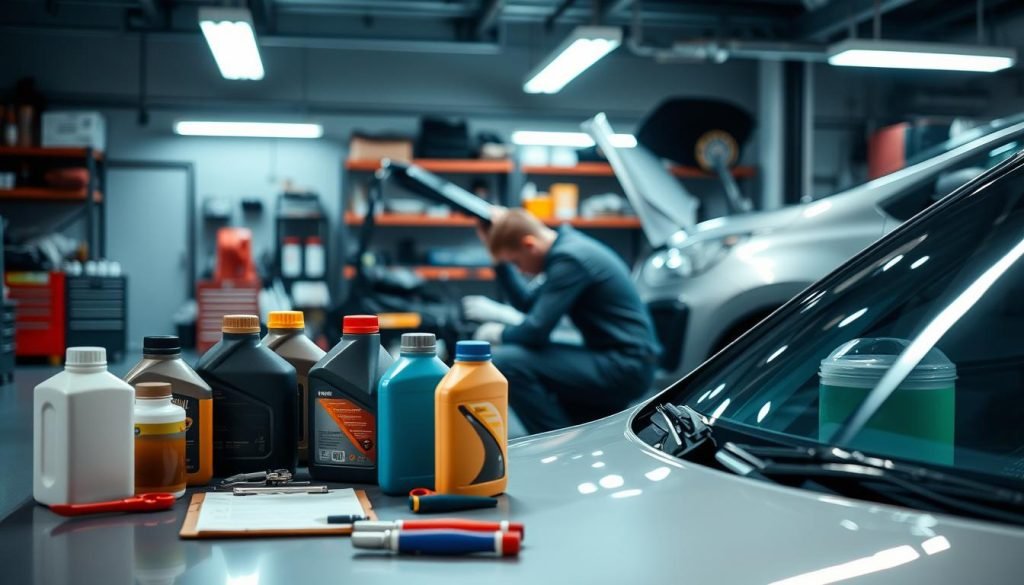
Engine Oil Assessment Protocol
Locate the brightly colored dipstick handle after letting the engine rest for 10 minutes. Remove it completely, wipe with a lint-free cloth, and reinsert. The second pull reveals the true oil level between minimum and maximum markers.
Rub a drop between your fingers. Healthy lubricant feels slippery and shows amber hues. Dark brown or black coloration signals oxidation, while milky tones suggest coolant contamination – both requiring immediate attention.
Hydraulic System Evaluations
For brake fluid, inspect the master cylinder reservoir under the hood. Levels should sit near the “full” line with clear, pale yellow liquid. Cloudy or dark fluid absorbs moisture, reducing braking efficiency.
Check transmission fluid with the engine running and gear selector in park. The dipstick should display red or light brown liquid without burnt odors. Power steering reservoirs demand amber-colored contents – dark shades mean internal wear.
| Fluid Type | Healthy Indicators | Warning Signs |
|---|---|---|
| Engine Oil | Amber color, smooth texture | Grittiness, dark coffee hue |
| Brake | Clear yellow/blue | Cloudiness, low level |
| Transmission | Red tint, sweet odor | Burnt smell, black particles |
| Power Steering | Translucent amber | Foaming, dark sludge |
| Washer | Blue/green solution | Low volume, debris |
Visibility Maintenance Essentials
Locate the windshield washer reservoir marked with a wiper symbol. Remove the cap and fill until liquid reaches the neck. Use freeze-resistant formulas in winter to prevent line blockages.
Consistent fluid levels ensure clear visibility during sudden storms. Check monthly and before long trips – empty reservoirs leave drivers vulnerable to road grime and insect splatter.
Troubleshooting Fluid Issues
Your machine’s liquids communicate through visual clues and physical symptoms. Learning to interpret these signals helps catch problems before they escalate. Early detection often means simpler fixes and lower repair costs.
Spotting Hidden Leaks
Puddles under parked vehicles reveal more than just condensation. Clear liquid under the front seats usually comes from air conditioning systems. Colored stains demand immediate attention:
| Fluid Color | Location | Potential Issue |
|---|---|---|
| Amber/Gold | Engine area | Oil seal failure |
| Red/Pink | Transmission | Cooler line cracks |
| Brown/Black | Brakes | Corroded lines |
| Green/Orange | Radiator | Coolant leaks |
Spongy brake pedals or steering stiffness often point to low fluid levels. Check reservoirs weekly if you notice gradual drops. Persistent leaks require professional diagnosis to prevent system failures.
Decoding Fluid Appearance
Healthy liquids have distinct visual profiles. Brake solutions should appear pale yellow – dark shades signal water contamination. Milky engine oil indicates coolant mixing, while frothy power steering fluid suggests air intrusion.
Transmission problems announce themselves through burnt odors and black particles. Make sure to:
- Wipe dipsticks on white cloths for accurate color checks
- Compare findings against manufacturer color charts
- Document changes between monthly inspections
Dark brown power steering fluid warns of internal wear. Low reservoir levels combined with groaning noises during turns often mean leaks in hydraulic lines. Address these promptly to avoid damage to steering components.
Conclusion
While fuel powers your journey, your automobile’s vitality depends on more than just gasoline. Schedule monthly assessments using your owner manual as a roadmap – consistency prevents 83% of preventable mechanical failures according to industry studies.
Watch for subtle warnings: stiff steering hints at power steering issues, while burnt odors often signal aging transmission solutions. Keep reservoirs filled with manufacturer-approved liquids, and always verify dipstick readings on level ground.
Modern vehicles may not stall immediately when fluids degrade, but neglect quietly damages critical components. Prioritize these quick inspections alongside oil changes – they’re equally vital for preserving resale value and avoiding roadside emergencies.
Your machine’s reliability ultimately reflects your maintenance habits. Ten minutes monthly protects against costly repairs and ensures every system performs as engineered. That’s smart ownership simplified.
FAQ
How often should I inspect vehicle fluids?
Most manufacturers recommend checking critical fluids like engine oil, brake fluid, and coolant monthly. Transmission and power steering systems typically need attention every 3–6 months, but always consult your owner’s manual for specific intervals.
What happens if I ignore low brake fluid levels?
Low brake fluid can reduce stopping power, damage ABS components, or cause complete brake failure. Dark or murky fluid may indicate moisture contamination, requiring immediate flushing to prevent corrosion in the hydraulic system.
Can I use water instead of windshield washer fluid?
Water lacks cleaning agents and antifreeze properties. In freezing temperatures, it can expand and crack the reservoir. Brands like Prestone or Rain-X offer solutions that prevent ice buildup and improve visibility.
Why does my power steering fluid smell burnt?
A burnt odor often signals overheating due to pump strain or old fluid. Hyundai and Toyota models with electric steering won’t have this fluid, but traditional systems require prompt flushing to avoid costly repairs.
How do I identify a transmission fluid leak?
Look for reddish puddles under the vehicle and check the dipstick for low levels. CVT fluids (common in Nissan or Subaru) may appear darker. Leaks near seals or cooler lines demand immediate professional inspection.
Is engine oil color a reliable indicator of health?
Fresh oil is amber and translucent. Black oil suggests normal soot accumulation, but a milky hue indicates coolant mixing—a sign of head gasket failure. Always assess viscosity using the dipstick’s markings.
What tools do I need for DIY fluid checks?
Keep gloves, a funnel, lint-free rags, and a flashlight. For precision, use branded test strips (like Valvoline’s coolant pH testers) or digital multimeters to verify battery health during inspections.
Can incompatible fluids damage my vehicle?
Yes. Using non-synthetic oil in engines requiring it, or DOT 3 in DOT 4 brake systems, risks component wear. Always match specifications listed in manuals—especially for hybrids or luxury models like BMW or Mercedes-Benz.