
Best Dash Cam 2025 for Night, Driving and Parking Protection
Table of contents Key Takeaways Introduction to Dash Cam Technology…
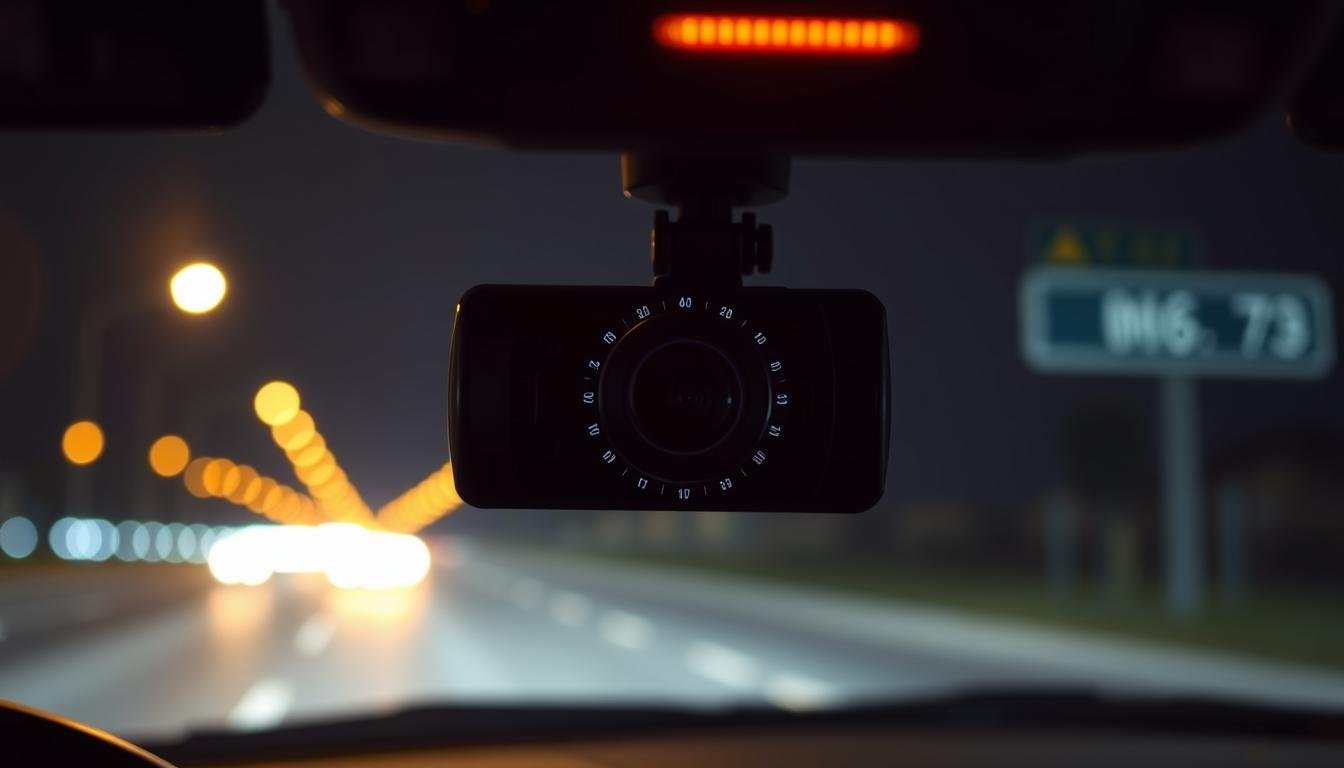
Modern vehicle cameras have transformed how drivers protect their cars. These devices now offer round-the-clock monitoring, capturing crucial details during nighttime journeys, active driving, and parking situations. With improved low-light performance and motion detection, today’s models provide clearer evidence than ever before.
Current models feature cutting-edge technology like 4K resolution and wide dynamic range. Some use specialized sensors to enhance visibility in challenging lighting conditions. Thermal imaging options are emerging for extreme environments, while compact designs blend seamlessly with vehicle interiors.
Security-conscious drivers appreciate continuous surveillance features that activate during impacts or movement near parked vehicles. Many systems now include cloud storage capabilities and smartphone integration for real-time alerts. These advancements help document incidents accurately while potentially lowering insurance premiums through verified evidence.
Key Takeaways
- 24/7 monitoring systems protect vehicles during operation and parking
- 4K resolution and enhanced sensors improve nighttime visibility
- Multi-channel recording captures multiple angles simultaneously
- Impact-activated parking modes document collisions while stationary
- Reliable evidence supports insurance claims and legal needs
- Compact designs maintain vehicle aesthetics without compromising function
Introduction to Dash Cam Technology
Vehicle recording systems have evolved far beyond simple video capture tools. Today’s devices combine automotive safety with smart connectivity, offering drivers unprecedented control over their road experiences.
From Basic Recorders to Smart Guardians
Early models focused solely on recording drives. Modern versions now analyze road conditions using AI-powered sensors that spot potential hazards. These systems sync with mobile apps, letting users review footage instantly or receive collision alerts.
New storage solutions prevent crucial evidence from being overwritten. Continuous loop recording saves space, while impact sensors automatically lock high-value clips. Time-lapse modes monitor parked cars efficiently, capturing license plates even in dim light.
Location tracking adds another layer of security. Built-in GPS tags footage with exact coordinates, while motion detectors activate cameras when someone approaches your vehicle. This combination creates reliable proof for insurance claims or legal disputes.
Voice commands and wireless streaming simplify operation. Drivers can start recordings hands-free or share clips directly from their phones. These upgrades transform basic cameras into interactive co-pilots that boost safety and convenience.
The Importance of Dash Cams in Modern Driving
Road incidents often become “he said, she said” scenarios without concrete proof. Video documentation from vehicle cameras now plays a critical role in resolving disputes and safeguarding drivers from false accusations.
Enhanced Safety and Liability Protection
A recent case involving a Chevrolet Bolt EUV highlights this value. When another driver’s door struck the moving car, the footage proved the victim had no time to react. Insurance companies used the video to resolve the $3,000 damage claim within days.
These devices capture details human memory often misses. Timestamps and GPS data verify exact locations and speeds during collisions. This evidence prevents wrongful liability in hit-and-run cases or fraudulent claims targeting innocent motorists.
Law enforcement increasingly uses dash cam recordings to reconstruct complex accidents. Intersection crashes with multiple vehicles become clearer when video shows lane positions and traffic signals. Drivers also report fewer road rage incidents when others notice the camera.
Legal teams now prioritize video proof for injury claims and criminal charges. Unlike witness statements, footage remains unbiased. This shift encourages more drivers to adopt these systems as essential safeguards rather than optional gadgets.
Understanding Dash Cam Functionality for Night, Driving, and Parking
Modern driving demands smart solutions that adapt to diverse scenarios. Vehicle recording systems now employ specialized modes to address distinct challenges during nighttime travel, active commutes, and stationary periods.
https://www.youtube.com/watch?v=-shcaaSa4kU&pp=0gcJCfwAo7VqN5tD
Low-light sensors paired with infrared technology transform nighttime visibility. These components capture license plates and road signs even in near-dark conditions. Footage retains critical details like vehicle colors and directional movements when streetlights fade.
During operation, devices use continuous loop recording to maximize storage efficiency. Sudden stops or collisions trigger automatic file protection through built-in G-sensors. This ensures vital evidence remains intact while older, uneventful footage gets recycled.
Parking surveillance operates through dual detection systems. Motion sensors activate cameras when objects approach your vehicle, while impact monitors respond to physical contact. Energy-saving protocols prevent battery drain during extended stationary periods.
- Customizable settings adjust sensitivity for urban vs. rural environments
- Automatic mode switching maintains coverage during drive-park transitions
- Power management safeguards vehicle batteries during overnight monitoring
Advanced models balance multiple functions without manual input. Drivers gain round-the-clock protection that adapts to changing conditions while maintaining vehicle readiness. These systems eliminate guesswork through intelligent automation, providing peace of mind in any situation.
Features of best dash cam 2025
Advanced vehicle security systems now combine cutting-edge imaging tech with smart monitoring capabilities. These innovations address drivers’ needs for reliable evidence collection and around-the-clock protection.
Imaging Excellence in Challenging Conditions
Top-tier models use 4K Ultra HD recording at 60 frames per second. This captures license plates and road signs up to 50 feet away. The Sony Starvis 2 sensor reduces grain in darkness while preserving color accuracy during daylight.
High Dynamic Range (HDR) processing balances bright skies and shadowy areas simultaneously. This prevents washed-out footage when exiting tunnels or driving toward sunlight. Combined with wide-angle lenses, these systems document entire scenes without blind spots.
| Feature | Benefit | Performance Metric |
|---|---|---|
| 4K Resolution | License plate readability | 3840×2160 pixels |
| Sony Starvis 2 | Low-light clarity | 0.001 lux sensitivity |
| HDR Processing | Detail retention | 120dB dynamic range |
| Dual-Channel GPS | Location accuracy | ±3 meter precision |
Continuous Protection Beyond Driving Hours
Intelligent parking modes activate via motion or impact detection. Built-in voltage monitors prevent battery drain during extended surveillance. Some systems use time-lapse recording to conserve storage while maintaining 24/7 coverage.
Integrated GPS tags footage with speed data and exact coordinates. This creates court-admissible evidence showing vehicle position during incidents. When paired with cloud storage, users access critical files remotely if their device gets damaged.
Multi-sensor systems combine accelerometers with gyroscopic data. This detects sudden swerves or braking attempts before collisions occur. Such proactive features help drivers avoid accidents rather than just documenting them.
In-Depth Review: Viofo A229 Pro
The latest generation of car surveillance devices prioritizes reliability and clarity. Viofo’s A229 Pro stands out with climate-resistant engineering and multi-angle monitoring, addressing common pain points in vehicle security systems.
Performance Highlights and Key Innovations
This camera uses a supercapacitor instead of traditional batteries, functioning flawlessly from -4°F to 149°F. Three configurations cater to different needs: single-lens setups for basic coverage, dual-channel systems with rear recording, and triple-camera packages for interior monitoring.
| Channels | Resolution | Special Features |
|---|---|---|
| 1 | 4K Front | Basic road coverage |
| 2 | 4K + 1440p Rear | Dual perspective recording |
| 3 | 4K + 1440p + IR Interior | Full vehicle surveillance |
5 GHz Wi-Fi enables rapid footage transfers – a 1-minute 4K clip downloads in 12 seconds. The companion app simplifies GPS mapping and settings adjustments, while the magnetic polarizing lens attachment eliminates dashboard glare without tools.
Video quality surpasses older 1080p models, capturing license plates at 65-foot distances. Hardwiring options maintain parking surveillance during engine-off periods, supported by voltage cutoffs that protect car batteries.
Viofo backs the A229 Pro with 18-month coverage for registered users, complemented by professional installation accessories. This combination of durability and advanced features makes it a strong contender for drivers seeking comprehensive protection.
TechRadar’s Take on the Viofo A329 Dash Cam
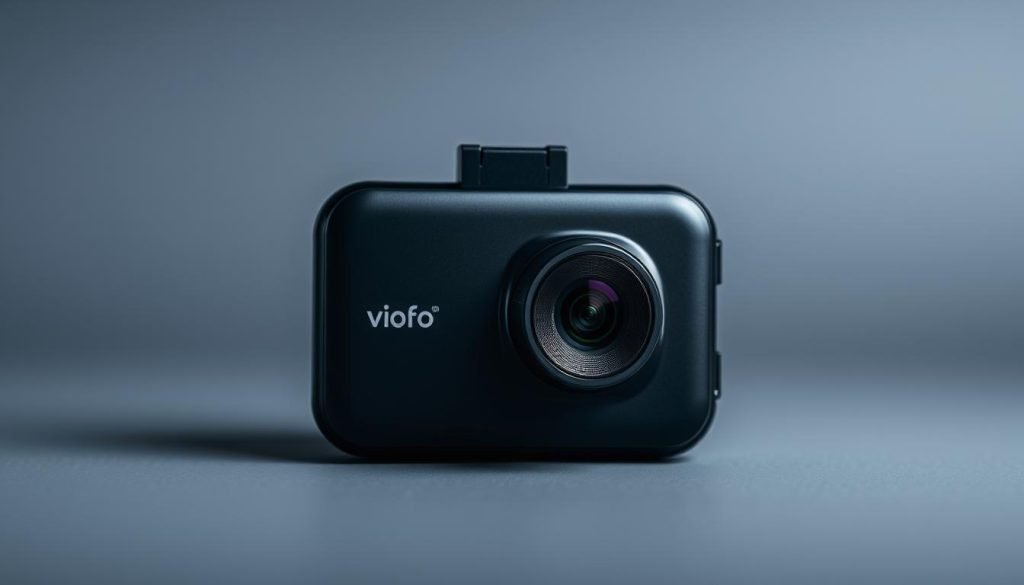
Professional evaluations help drivers identify top-performing vehicle security systems. TechRadar’s team tested 30+ models, awarding the VIOFO A329 their highest honor for 2025. Editor Timothy Coleman highlighted its “complete package” design, combining robust hardware with intuitive software.
Performance and Reliability Assessed
The A329’s 4K video at 60fps sets a new standard for clarity. Footage remains crisp during sudden maneuvers, capturing license plates up to 65 feet away. Both front and rear camera units use Sony Starvis 2 sensors, ensuring balanced performance day and night.
| Feature | Specification | Impact |
|---|---|---|
| Resolution | 3840×2160 @ 60fps | Smooth accident reconstruction |
| Low-Light Sensors | Dual Sony Starvis 2 | Night visibility equals daytime |
| Storage Options | 512GB microSD / 4TB SSD | Weeks of continuous recording |
| Color Accuracy | HDR Processing | Readable signs in harsh sunlight |
TechRadar’s real-world tests proved the system’s reliability in extreme conditions. Night recordings showed minimal grain while maintaining accurate color reproduction. The camera automatically adjusts exposure when entering tunnels or facing direct sunlight.
Expanded storage support addresses professional drivers’ needs. Users can archive months of footage or document cross-country trips without file compression. This flexibility makes the A329 suitable for commercial fleets and safety-conscious commuters alike.
Installation and Setup Best Practices
Proper setup ensures vehicle recording systems perform reliably in critical moments. Strategic placement balances visibility needs with legal requirements across different regions.
Mounting Techniques and Connectivity Tips
Position your device behind the rearview mirror for optimal coverage. This location avoids blocking the driver’s view while keeping the lens centered. Check local laws about windshield obstruction – some states prohibit placement in specific zones.
High-quality adhesive mounts withstand summer heat and winter cold. The Viofo A229 Pro’s flat mount uses industrial-grade gel for secure attachment. A plastic lever tool allows repositioning without leaving residue on glass surfaces.
| Technique | Benefit | Compliance |
|---|---|---|
| Rearview Alignment | Unobstructed driver view | Meets 43 state regulations |
| Adhesive Positioning | Vibration resistance | Withstands -22°F to 176°F |
| Cable Channel Routing | Clean interior appearance | Preserves airbag function |
Power your system through USB-C ports in modern cars or use included 12V adapters. Hardwiring kits enable parking surveillance by connecting directly to fuse boxes. Always test voltage cutoffs to prevent battery drain during extended monitoring.
Route cables along headliners and door seals using trim tools. This method hides wires while protecting them from temperature changes. For multi-camera setups, plan routes before securing any components to avoid rework.
Optimizing Video Quality in Various Conditions
Clear video evidence relies on adapting to environmental challenges. Modern systems use smart adjustments to maintain footage clarity from sunrise commutes to midnight parking. Let’s explore techniques that preserve details when conditions change.
Daylight recording demands exposure control. Reduce glare from concrete surfaces by adjusting white balance. Increase contrast settings to capture license plates against bright skies without washing out colors.
Night drives benefit from ISO optimization. Advanced sensors balance light intake with noise reduction. This combo keeps footage sharp while minimizing grain in low-visibility areas.
| Scenario | Optimal Settings | Key Benefit |
|---|---|---|
| Highway Driving | 60fps + High Shutter Speed | Reduces motion blur |
| Urban Traffic | HDR + Auto Exposure | Balances shadows/brights |
| Heavy Rain | Contrast Boost Mode | Enhances droplet clarity |
| Parking Surveillance | Time-Lapse + Motion Detect | Saves storage space |
| Snow Conditions | Warm White Balance | Prevents glare overload |
Weather-specific modes tackle fog and rain. These settings amplify contrast between vehicles and misty backgrounds. Thermal imaging options now detect heat signatures through precipitation.
Storage management ensures uninterrupted recording. Match resolution settings to memory card capacity – 4K for short trips, 1080p for extended monitoring. Always maintain minimum quality for legal evidence requirements.
Battery versus Supercapacitor: Choosing the Right Power Source
Temperature extremes can make or break a vehicle security system’s effectiveness during critical moments. Power components face unique challenges in automotive environments, where summer heatwaves and winter freezes test their limits.
Safety in Extreme Temperatures
Lithium-ion batteries struggle in harsh conditions. High heat may cause temporary shutdowns, while extreme cold reduces performance. In rare cases, these batteries swell or rupture – a risk no driver wants in their vehicle.
Supercapacitor technology solves these issues. Unlike traditional batteries, it stores energy without chemical reactions. This design handles temperature swings from -4°F to 149°F, maintaining reliable operation in desert heat or arctic blizzards.
The Viofo A229 Pro demonstrates this advantage. Its supercapacitor preserves footage during sudden power loss and ensures proper shutdown sequences. Users avoid data loss while protecting their car’s electrical system from drain-related damage.
This innovation eliminates temperature-related failures that plague conventional power sources. Drivers gain year-round reliability without compromising safety or video evidence quality during emergencies.
FAQ
Why is night video quality critical for dash cams?
Clear nighttime footage helps capture details like license plates or road signs in low-light scenarios. Models with Sony Starvis sensors, such as the Viofo A229 Pro, excel in these conditions by reducing noise and enhancing clarity.
How does 24-hour parked-car monitoring work?
Parking mode uses motion detection or impact sensors to record incidents while the vehicle is off. Devices like the Thinkware U3000 pair this feature with supercapacitors to handle extreme temperatures without draining the car’s battery.
Are dual-channel systems worth the investment?
Front-and-rear setups, like the BlackVue DR970X, provide comprehensive coverage. A rear-facing camera documents collisions from behind, while interior models monitor cabin activity—ideal for rideshare drivers or fleet vehicles.
What’s the ideal resolution for capturing details?
4K resolution (3840×2160 pixels) ensures sharp imagery, especially when zooming into footage. However, higher resolutions require larger storage—pair devices like the Viofo A329 with a high-endurance microSD card for optimal performance.
Can dash cams withstand extreme heat or cold?
Supercapacitors outperform traditional lithium batteries in harsh climates. Brands like Garmin use this technology to prevent swelling or failure, ensuring reliability in temperatures ranging from -20°F to 176°F.
How difficult is self-installation?
Most models include adhesive mounts for windshield placement. Hardwiring kits enable parking mode but may require professional assistance. Wireless options, like the Nextbase 622GW, simplify setup with modular designs.
Do all dash cams include GPS tracking?
GPS logs speed and location data, which strengthens insurance claims. While some devices have built-in modules, others require add-ons. Check compatibility with apps like Viofo’s for real-time route mapping.
Which brands lead in reliability for 2025 models?
Viofo, Thinkware, and BlackVue dominate with advanced features like HDR imaging and cloud connectivity. TechRadar highlights the Viofo A329 for its balanced performance in day/night scenarios and user-friendly app controls.
How can I improve low-light video without 4K?
Prioritize models with f/1.5 aperture lenses and WDR (Wide Dynamic Range). These settings balance exposure in challenging lighting, ensuring readable plates in shadows or bright headlight glare.